
Most interior doors are chosen for their appearance or how they fit into the layout of a home. Fire-rated interior doors serve a different purpose. They’re designed to help slow the spread of fire for a specified period, giving occupants more time to exit and helping contain damage.
In Florida, some openings must meet fire-protection requirements under the Florida Building Code, while others depend on the type of building and the project. Whether you’re building a new home, planning a renovation or replacing an existing door, understanding when a fire-rated door is required can help you avoid delays during permitting, inspections and installation.
What Are Fire-Rated Interior Doors?
Fire-rated doors are specially constructed and tested to withstand fire for a designated period. Unlike a standard door, a fire-rated door is part of a complete assembly designed to perform as a unit during a fire.
That assembly typically includes the door, frame, hardware and, if applicable, fire-rated glass. Each component has been tested as part of the system, which is why swapping out individual pieces without considering compatibility can affect the door’s performance.
The amount of protection the door provides depends on its fire rating, which is assigned through standardized testing.
Where Are Fire-Rated Doors Commonly Used?
Many homeowners assume fire-rated doors are only found in commercial buildings. In reality, they can also play an important role in residential construction.
Depending on the home and the applicable building code, fire-rated interior doors may be used in areas such as:
Doors Between an Attached Garage and the Home
One of the most common places homeowners encounter fire-protection requirements is the door between an attached garage and the living space. Under the Florida Residential Code, this opening must be protected with either a solid wood door at least 1⅜ inches thick, a solid or honeycomb-core steel door of the same thickness, or a 20-minute fire-rated door. Openings directly from an attached garage into a room used for sleeping are not permitted.
Mechanical or Utility Rooms
Depending on the type of building, certain mechanical, utility or service rooms may require fire-rated door assemblies. These requirements are more common in commercial and multifamily construction than in a typical single-family home and are identified during the design and permitting process.
Multifamily Buildings
Condominiums, apartments and many townhome developments often include additional fire-separation requirements between units, shared corridors, stairwells and other common areas. These projects frequently require fire-rated doors with ratings that differ from those used in single-family homes.
Even when a fire-rated door isn’t required, some homeowners choose one for added peace of mind in areas where extra fire protection is desired. If you’re planning a home renovation or new construction project, your builder or local building department can confirm the requirements for your specific home before ordering materials.
Understanding Fire Ratings
One of the first things you’ll notice when shopping for fire-rated interior doors is the rating itself.
Fire ratings are measured in minutes and indicate how long the tested door assembly is designed to resist fire under controlled testing conditions. Common ratings include:
- 20-minute: Most commonly associated with residential garage-to-house openings.
- 45- and 60-minute: Often used in certain multifamily or commercial applications.
- 90-minute: Commonly used in commercial buildings and other applications where openings are part of higher-rated fire-resistance assemblies.
A higher rating doesn’t automatically make a door the right choice. The required rating depends on where the door is being installed and the level of protection specified for that opening.
Choosing the correct rating from the beginning helps avoid delays during permitting, inspections or final approval on Florida construction and renovation projects.
What Does the Fire Label Mean?
Every fire-rated door includes a permanent label that identifies it as a tested product.
While the exact appearance varies by manufacturer, the label generally includes information such as:
- Manufacturer
- Fire-protection rating
- Certification from an approved testing agency
This label serves as proof that the door meets the required testing standards for its intended application. Because of that, the label should remain intact throughout the life of the door.
If you’re replacing an existing fire-rated door, make sure the replacement carries the appropriate certification rather than assuming a similar-looking door offers the same protection.
A Fire-Rated Door Is More Than the Door Itself
One common misconception is that buying a fire-rated door slab is enough. In reality, the entire opening contributes to the door’s performance.
A properly rated assembly may include:
- A compatible fire-rated frame
- Approved hinges
- Code-compliant latching hardware
- Fire-rated glazing, when included in the door design
- Smoke seals or gasketing for certain applications
Professional installation also matters. Even a properly rated door can lose its intended fire performance if it’s installed incorrectly or modified with components that aren’t approved for the tested assembly.
Can Fire-Rated Interior Doors Match Your Home’s Style?
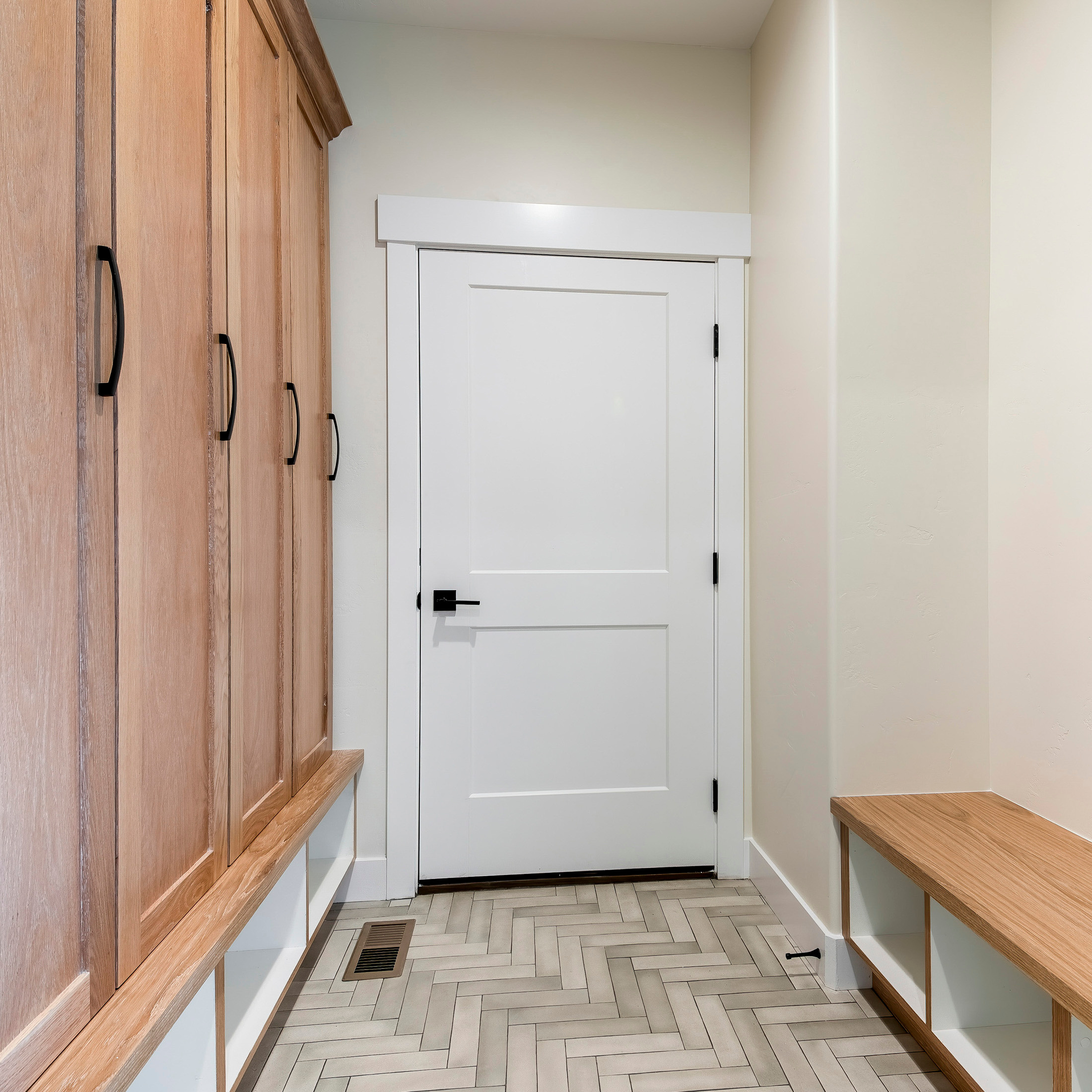
Meeting fire-safety requirements doesn’t mean sacrificing your home’s design. Many fire-rated interior doors are available in styles that coordinate with both traditional and modern interiors.
Depending on the product, you may be able to choose from different panel designs, wood species, paint-grade options and select glass configurations that meet fire-rating requirements. That flexibility allows homeowners to maintain a cohesive design while still meeting the project’s safety requirements.
Find the Right Fire-Rated Doors With 1st Choice Door & Millwork
Whether you’re building a new home or planning a renovation, choosing the right fire-rated interior doors starts with understanding where they’re needed and which rating your project calls for. The team at 1st Choice Door & Millwork can help you select doors, frames and hardware that fit your plans while supporting code compliance.
Ready to get started? Contact us today to discuss your project or request a quote.
Frequently Asked Questions About Fire-Rated Doors
Are fire-rated interior doors required by the Florida Building Code?
In some situations, yes. The Florida Building Code requires fire-protection measures for certain openings, such as between an attached garage and the living space, while other requirements depend on the type of building and the approved plans. Your local building department or contractor can confirm what’s required for your specific project.
What’s the difference between a fire-rated door and a standard interior door?
Fire-rated doors are tested as part of a complete door assembly to resist fire for a specified period. Standard interior doors are not evaluated for the same level of fire protection.
How can I tell if a door is fire-rated?
Fire-rated doors include a permanent certification label from the manufacturer that identifies the fire rating and testing information.
Can fire-rated interior doors have glass?
Yes. Some fire-rated doors include specially tested fire-rated glass. The glazing must meet the requirements of the door assembly.
Can I replace a fire-rated door with a standard interior door?
If the opening requires a fire-rated assembly, replacing it with a standard door may not meet code requirements. Always verify the requirements before making a replacement.
Do fire-rated doors come in different styles?
Yes. Fire-rated interior doors are available in many panel styles and finishes, allowing homeowners to coordinate them with the rest of the home’s interior design.