
Interior door hardware can seem minor until you have to choose it for an entire home. Then it turns into a long list of decisions: knobs or levers, privacy sets or passage sets, brushed nickel or matte black, round rosettes or square trim, exposed hinges or concealed ones.
The simplest way to narrow it down is to start with three things: how the room is used, what style fits the home and what will be easiest to live with every day.
It also helps to think beyond one door at a time. A consistent hardware plan can make the whole house feel more finished without making every opening look exactly the same.
Start With Function Before Finish
It’s tempting to start with color or style, but function should come first. Before choosing a knob, lever or hinge, think about what each door actually needs to do.
Most interior doors fall into a few basic hardware categories:
- Passage hardware for rooms that don’t need a lock, such as hallways, closets and shared living spaces
- Privacy hardware for bedrooms, bathrooms and other rooms where you want a simple interior lock
- Dummy hardware for doors that don’t latch, such as decorative pantry doors, linen closets or some double-door setups
- Ball catch or specialty hardware for select closet, French door or custom applications
Once the function is clear, the style choices get easier.
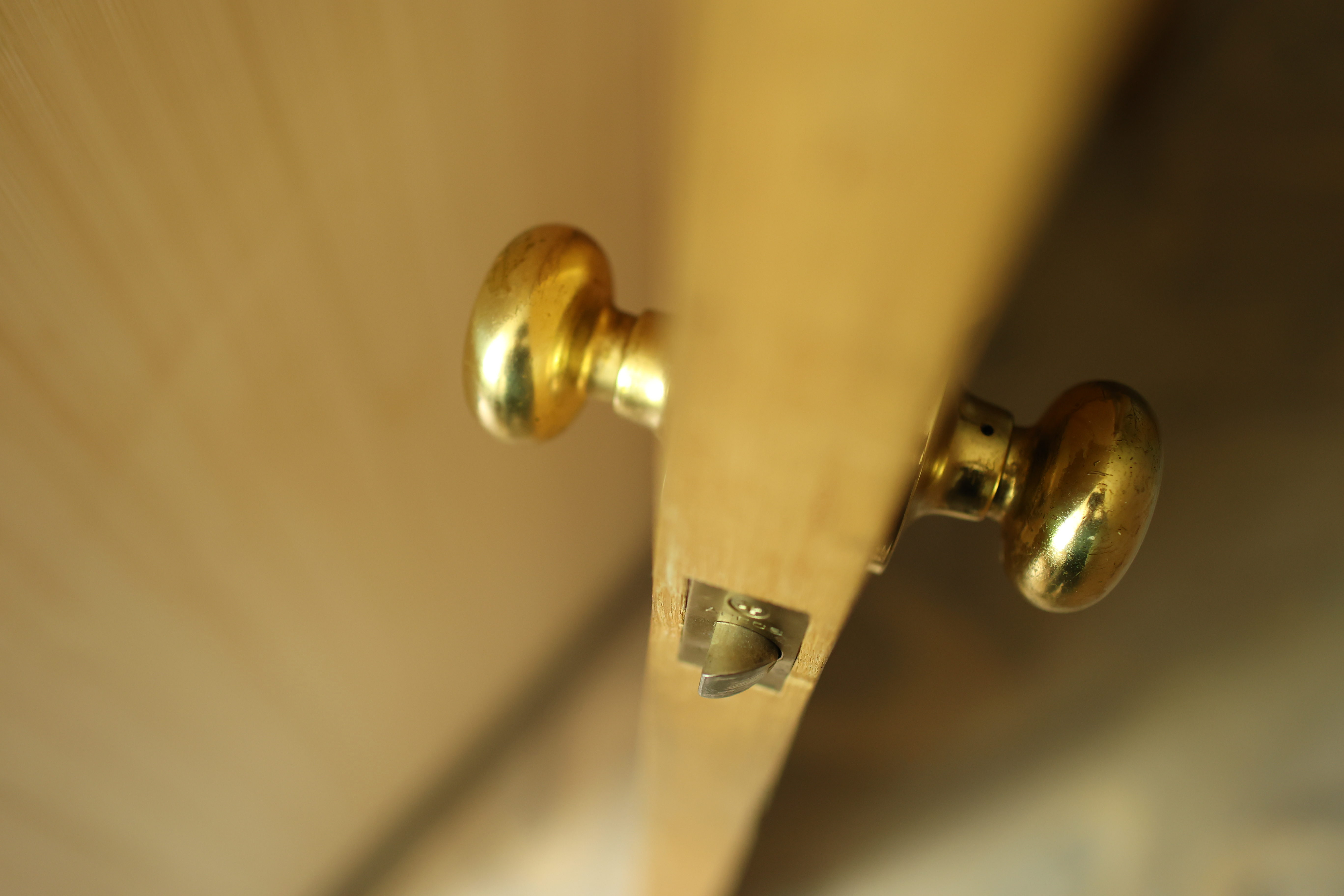
When Door Knobs Make the Most Sense
Door knobs are a classic choice for interior spaces. They tend to work especially well in homes with more traditional details. They can also fit transitional spaces that mix classic features with a cleaner, more updated look, such as panel doors, more detailed trim, warmer wood tones or slightly more formal room styling.
Knobs are often the right fit when you want:
- A familiar, understated look
- Traditional styling that works with classic trim and molding
- A compact profile on smaller doors or tighter spaces
- Hardware that blends into the background rather than calling attention to itself
In guest rooms, formal spaces and more traditional interiors, knobs usually feel right at home.
The tradeoff is usability. Knobs take more grip and wrist movement than levers, which can matter in busy households, anytime your hands aren’t free or for anyone with limited hand strength or mobility.
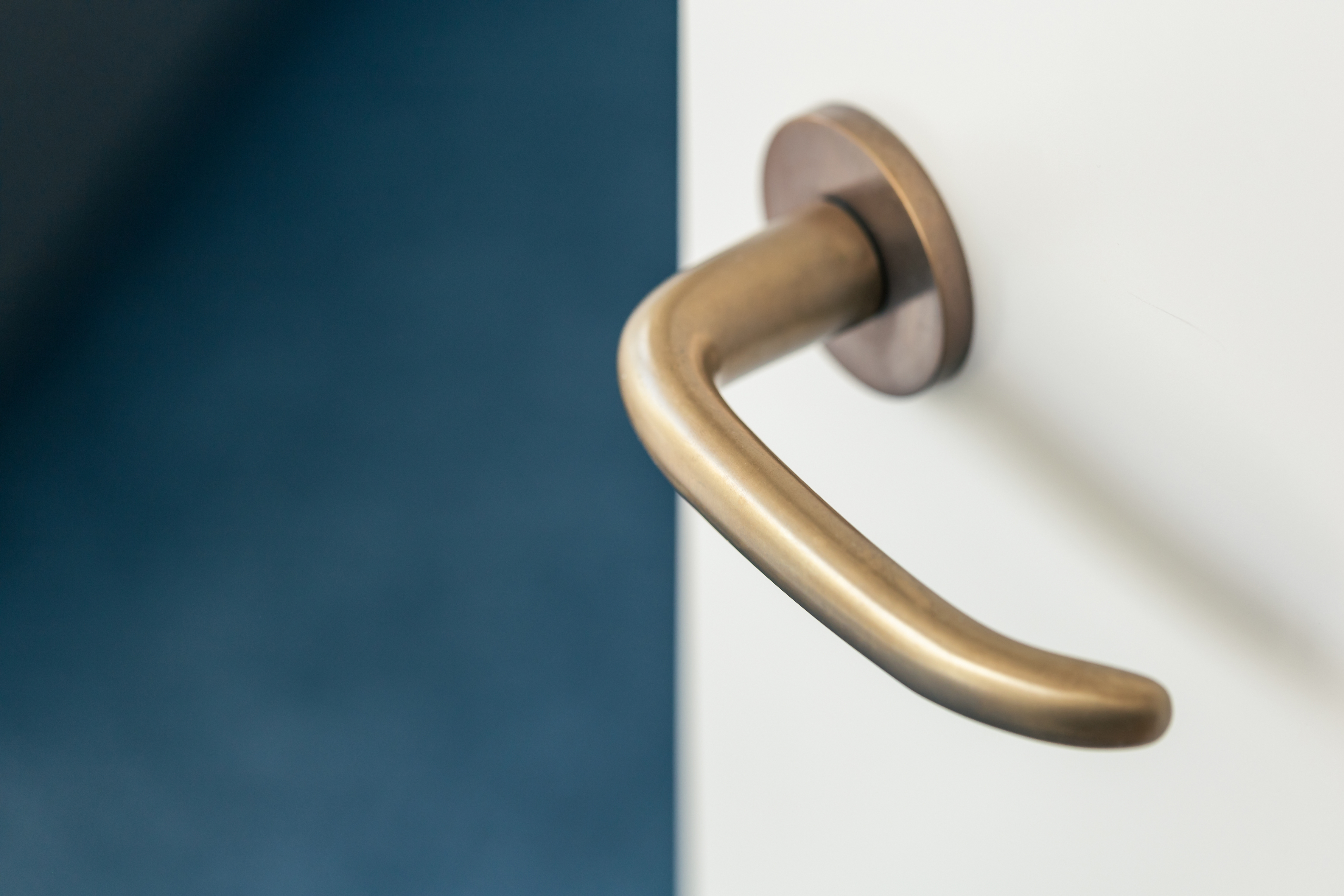
When Levers Are the Better Choice
Levers are often the more practical option because they’re easy to use and coordinate with a wide range of interiors.
They usually make the most sense when you want:
- Easier operation when your hands are full
- A more accessible, user-friendly option
- Cleaner lines that work well with simpler trim, lighter finishes and a less formal overall look
- A style that feels simple without looking stark
That’s one reason levers work so well in many Florida homes. They pair naturally with lighter palettes, relaxed finishes and less formal interiors.
They also tend to be a smart choice for primary suites, laundry rooms, hallway doors and other spaces that get frequent daily use.
Think Room by Room, Not Just Door by Door
One of the easiest ways to make good hardware decisions is to step back and consider how the home functions as a whole.
Bedrooms
Privacy hardware is usually the standard. In more traditional homes, knobs can work well. In many family homes, levers are simply easier to use every day.
Bathrooms
Privacy hardware is also the typical choice here. Because bathrooms are subject to more moisture and more frequent use, it’s worth paying attention to finish quality and long-term durability.
Closets
Closets often use passage or dummy hardware depending on the door style. In most cases, simpler is better, especially when the doors are opened often.
Home Offices
A privacy set makes sense if the room doubles as both a workspace and a guest room. The hardware should still feel consistent with nearby rooms so the transition doesn’t feel random.
Laundry Rooms and Utility Spaces
These are some of the easiest places to justify levers. When you’re carrying laundry, cleaning supplies or other household items, easier operation matters.
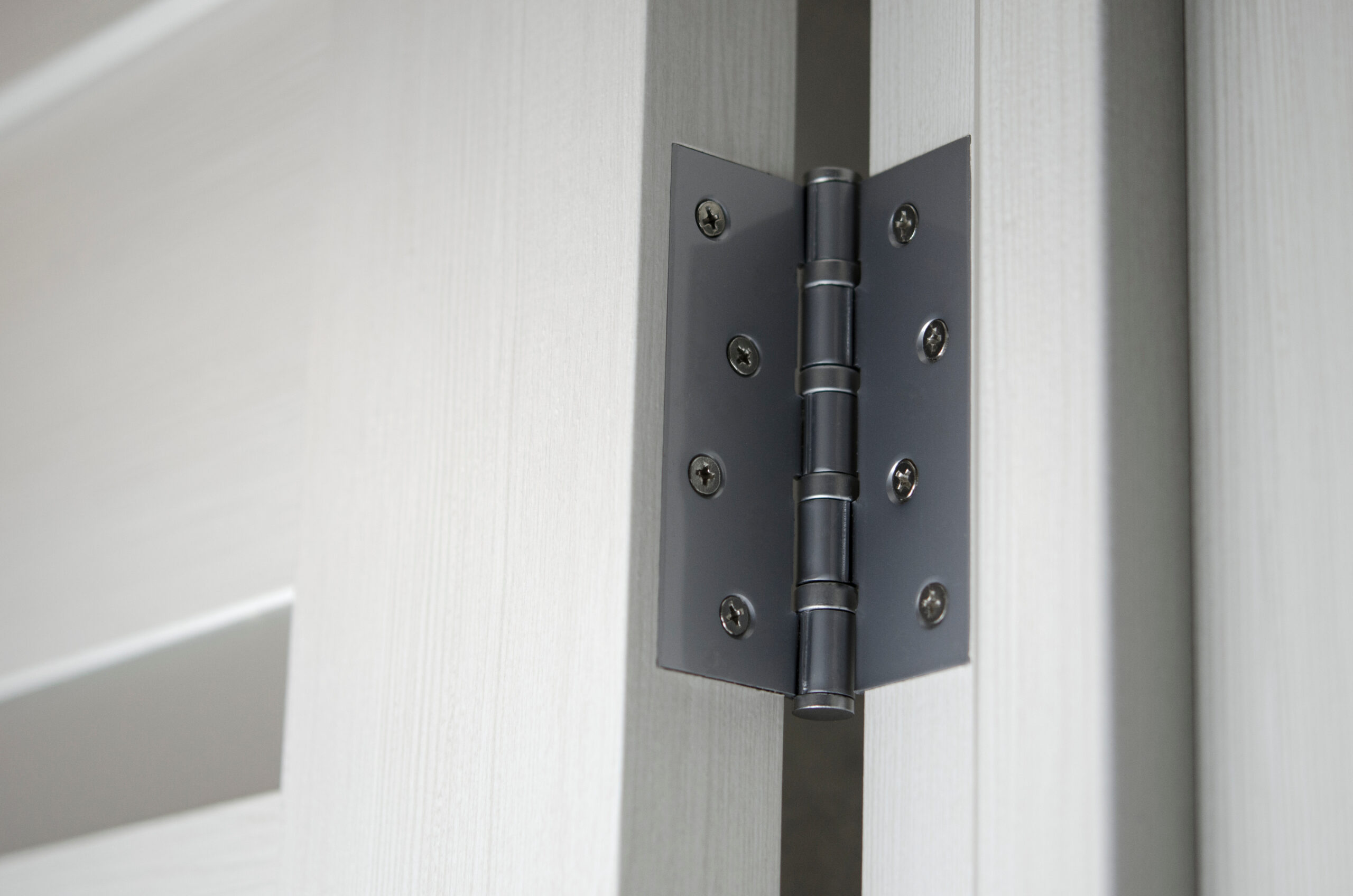
Don’t Overlook the Hinges
Handles get most of the attention, but hinges affect the final look more than many homeowners expect.
If you’re updating interior door hardware, hinge finish should coordinate with the rest of the hardware. A mismatched hinge can make an otherwise polished door package feel unfinished.
When choosing hinges, look at:
- Finish coordination with your knobs or levers
- Durability for high-use doors
- Weight support for solid-core doors
- Whether you want the hinge to blend in or stand out
Matching hinge finish to the rest of the hardware is usually the cleanest choice. On painted doors, custom millwork or upgraded trim, those details become even more noticeable.
How Finish Changes the Look
Finish does a lot to set the tone of the space. Some of the most common options include:
- Matte black for contrast and a cleaner, more updated look
- Brushed nickel for a clean, versatile finish
- Satin brass for warmth and a more elevated feel
- Chrome for a crisp, polished look in more contemporary spaces
- Oil-rubbed bronze for a deeper, more traditional look
The right finish usually depends on what’s already happening in the home. Look at plumbing fixtures, lighting, cabinet hardware, wall color and trim details. Your interior door hardware doesn’t need to match every element exactly, but it should feel connected to the rest of the house.
In many homes, finishes that feel clean and simple are easier to live with than ones that feel overly heavy or ornate.
How to Keep Hardware Consistent Throughout the House
Hardware consistency doesn’t mean every door has to be identical. It means the choices should feel related from room to room.
A simple approach is to keep these elements mostly consistent throughout the home:
- The main finish
- The primary shape, such as round or square trim
- The overall style direction, whether more classic, more updated or somewhere in between
- The quality and feel of operation
Then make small changes only where function calls for them, such as switching from passage to privacy hardware or using dummy sets on fixed doors.
Too many finishes, silhouettes or one-off styles can make the house feel less cohesive than it should.
Choose Interior Door Hardware With More Confidence
Choosing the right interior door hardware doesn’t have to turn into an exhausting design decision. Start with how each room is used, decide whether knobs or levers make more sense for your household and use hinges and finishes to pull everything together.
When the hardware is functional, consistent and suited to the style of the home, the finished result feels more polished from one room to the next.
If you’re planning updates across multiple rooms, 1st Choice Door & Millwork can help you sort through interior door hardware, finish coordination and door package details that fit the way your home flows. Contact us to get help choosing hardware that looks good and holds up in everyday living.